
- 20/01/2026
- Mulshi Speciality Hospital
- 0 Comments
- Blogs
Seasonal Allergies: Symptoms, Triggers, and Treatment
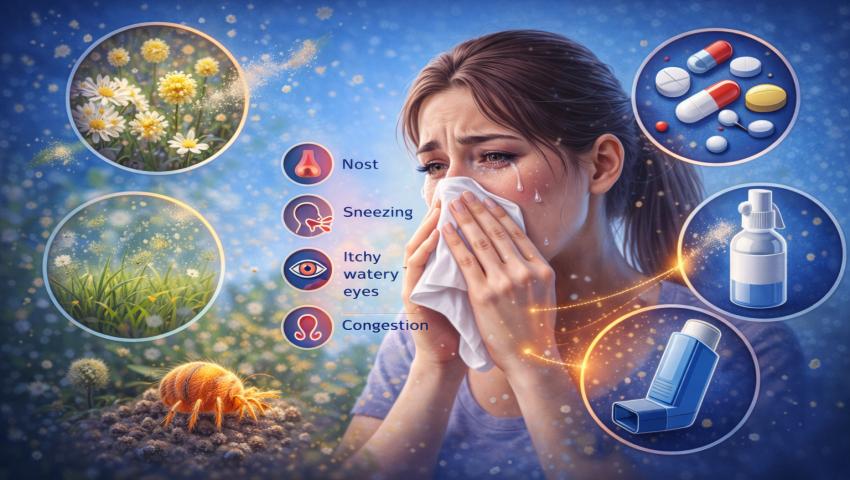
Seasonal allergies treatment is an important part of managing a widespread health issue that many people experience when the weather changes. At Mulshi Speciality Hospital, we often treat patients who suffer from symptoms like frequent sneezing, nasal blockage, runny nose, and itchy or watery eyes during particular seasons. If left untreated, seasonal allergies can disturb daily routines, affect work productivity, and reduce overall quality of life. Being aware of allergy symptoms, common triggers, and available treatment options can help you manage the condition effectively throughout the year.
What Are Seasonal Allergies?
Seasonal allergies, medically known as allergic rhinitis or hay fever, occur when the body’s immune system reacts strongly to allergens present in the air during specific times of the year. These allergens, such as pollen and mould spores, are usually harmless, but in allergic individuals, they trigger an immune response that leads to uncomfortable symptoms.
Unlike viral infections like the common cold, seasonal allergies are not infectious and usually follow a recurring pattern each year, depending on the allergen involved.
Common Symptoms of Seasonal Allergies:
The intensity of seasonal allergy symptoms may vary from person to person. Some individuals experience mild discomfort, while others may have more severe symptoms. Common signs include:
- Repeated sneezing
- Runny or congested nose
- Red, itchy, or watery eyes
- Irritation in the throat, ears, or nose
- Postnasal drip
- Persistent cough
- Sinus headache or facial pressure
- Tiredness due to poor sleep
Unlike flu or cold, seasonal allergies generally do not cause fever or body pain, which helps in identifying the condition.
Major Triggers of Seasonal Allergies:
Seasonal allergies are caused by different allergens that change with the seasons.
- Pollen: Pollen is one of the most common allergy triggers.
- Tree pollen – usually seen during spring
- Grass pollen – more common in late spring and summer
- Weed pollen – often present during monsoon and early winter
- Mould Spores: Mould grows in moist and humid environments and is more active during the monsoon season. It is commonly found in soil, damp areas, fallen leaves, and decaying organic matter.
- Dust and Air Pollution: In many Indian cities, exposure to dust and increasing air pollution can worsen allergy symptoms, especially in people with sensitive respiratory systems or pre-existing lung conditions.
When Do Seasonal Allergies Occur?
The occurrence of seasonal allergies depends on local climate conditions and the type of allergen:
- Spring: Tree pollen-related allergies
- Summer: Grass pollen and dust allergies
- Monsoon: Mould and humidity-related allergies
- Winter: Dust and pollution-induced symptoms
In areas such as Pune and Mulshi, fluctuating weather patterns can extend allergy seasons, making year-round care essential for some individuals.
How Are Seasonal Allergies Diagnosed?
If allergy symptoms continue for a long time or start affecting daily activities, medical consultation is recommended. Diagnosis usually involves:
- Reviewing medical history
- Physical examination
- Allergy testing such as skin prick tests or blood investigations
Accurate diagnosis helps doctors identify the exact allergen and plan personalised treatment.
Treatment Options for Seasonal Allergies:
With the right medical approach, seasonal allergies can be effectively controlled.
1. Over-the-Counter Medications:
Common treatment options include:
- Antihistamines to control sneezing and itching
- Nasal steroid sprays to reduce nasal inflammation
- Decongestants for temporary relief from blockage
- Saline nasal sprays or washes to cleanse nasal passages
2. Prescription Medications:
For patients with moderate to severe symptoms, doctors may recommend prescription medicines or combination therapies based on individual health needs.
3. Immunotherapy:
Immunotherapy, commonly known as allergy shots, helps the body gradually build tolerance to allergens. This option is suitable for individuals with long-term or severe seasonal allergies.
4. Home Care and Lifestyle Measures:
- Limit outdoor exposure during high pollen levels
- Keep doors and windows closed during allergy season
- Use air purifiers indoors
- Bathe after outdoor activities
Wear sunglasses or masks when travelling outside
Prevention Tips:
Although seasonal allergies cannot always be avoided, their severity can be reduced by:
- Keeping track of pollen and air quality updates
- Maintaining clean and dust-free living spaces
- Washing bed linen frequently
Staying away from known allergy triggers
When Should You See a Doctor?
Medical attention is advised if:
- Symptoms continue for several weeks
- Over-the-counter medicines do not provide relief
- Allergies interfere with sleep, work, or daily life
- Breathing problems or asthma symptoms develop
Early diagnosis and treatment can help prevent complications such as sinus infections and chronic respiratory issues.
Conclusion:
Seasonal allergies are common but manageable with the right knowledge and timely medical care. Early diagnosis, appropriate treatment, and preventive measures can greatly improve comfort and overall well-being. If you or your loved ones are facing persistent allergy symptoms, seeking professional medical advice is the best step forward.
Book An Appointment:
For expert diagnosis and personalised allergy care, Book An Appointment at Mulshi Speciality Hospital today and take the first step towards long-lasting relief.