
- 24/12/2025
- Mulshi Speciality Hospital
- 0 Comments
- Blogs
Constipation During Pregnancy: Safe Ways to Get Relief
At Mulshi Speciality Hospital, we meet many expecting mothers who experience constipation during pregnancy one of the most common yet uncomfortable issues. Hormonal changes, dietary shifts, and pressure on the intestines often make digestion slower, leading to hard stools, bloating, and difficulty passing motion.
The good news? With the right care and simple lifestyle changes, constipation during pregnancy can be managed safely and effectively.
Why Constipation Happens During Pregnancy?
Several natural changes in the body can trigger constipation:
- Hormonal Changes: Pregnancy increases progesterone levels, which relax the intestinal muscles and slow down bowel movement.
- Iron Supplements: Many pregnant women take iron tablets, which can make stools harder and more difficult to pass.
- Reduced Physical Activity: Fatigue and discomfort may reduce movement, slowing digestion even more.
- Pressure on the Intestines: As the uterus grows, it puts pressure on the bowels, affecting normal bowel movement.
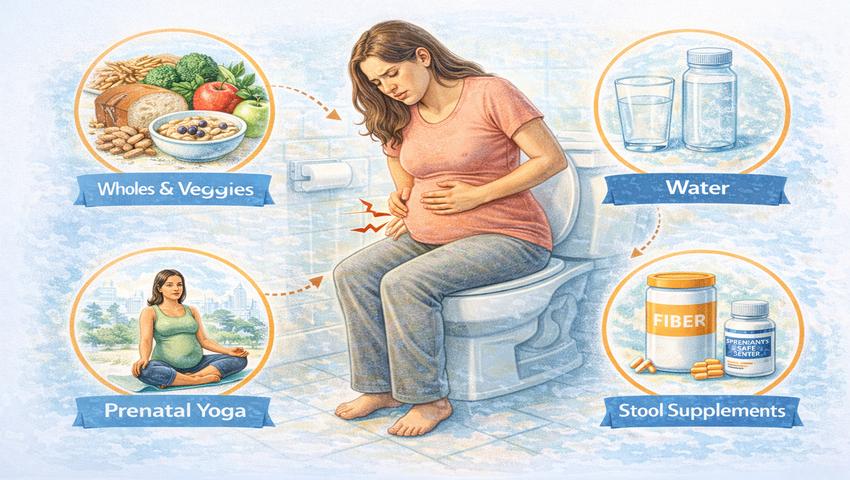
Safe Ways to Get Relief from Constipation During Pregnancy:
1. Increase Fiber-Rich Foods:
Add more:
- Whole grains
- Fruits like papaya, pears, apples
- Vegetables like spinach, beans, carrots
- Nuts and seeds
Fiber helps soften stool and improves bowel movement.
2. Drink Enough Water:
Hydration is essential.
Aim for 8–10 glasses of water daily.
Warm water in the morning can also stimulate bowel activity.
3. Stay Physically Active:
Gentle activities help digestion, such as:
- Walking
- Prenatal yoga
- Light stretching
Consult your doctor before starting any new exercise routine.
4. Don’t Ignore the Urge:
Delaying bowel movements can worsen constipation.
Go when your body signals—don’t force it, but don’t hold it either.
5. Try Small, Frequent Meals:
Large meals slow digestion.
Eating smaller portions at regular intervals reduces bloating and discomfort.
6. Avoid Processed or Oily Foods:
Limit:
- Fried snacks
- Fast food
- Sugar-heavy items
- Excessive dairy
These can make constipation worse.
7. Use Doctor-Recommended Supplements:
If iron supplements are causing constipation, your doctor may change:
- The dosage
- The timing
- The type of supplement
Never stop iron tablets without medical advice.
8. Safe Laxatives (Only With Doctor Guidance):
Some mild laxatives or stool softeners are considered safe during pregnancy, but only when prescribed by a doctor.
Self-medication is unsafe.
When to See a Doctor?
Consult a specialist if you notice:
- Severe abdominal pain
- Hard stools causing bleeding
- Ongoing constipation for many days
- No relief despite lifestyle changes
Early care ensures comfort and safety for both mother and baby.
Conclusion:
Constipation during pregnancy is common, but it doesn’t need to disturb your routine or comfort. With simple lifestyle adjustments and proper medical guidance, you can experience smooth and safe relief throughout your pregnancy.
Book an Appointment:
If you’re experiencing constipation or digestive discomfort during pregnancy, the experts at Mulshi Speciality Hospital are here to help.