
- 28/09/2026
- Mulshi Speciality Hospital
- 0 Comments
- Blogs
Colonoscopy: When Is It Needed, How to Prepare and What to Expect?
The digestive system plays an important role in overall health, but many people hesitate to discuss symptoms related to the bowel. Persistent changes in bowel habits, unexplained bleeding, abdominal discomfort or unexplained weight loss should not always be dismissed as acidity or indigestion.
In certain situations, a doctor may recommend a colonoscopy to examine the inside of the large intestine and identify the cause of symptoms. Understanding why colonoscopy is performed and what the procedure involves can help reduce unnecessary anxiety.
What Is a Colonoscopy?
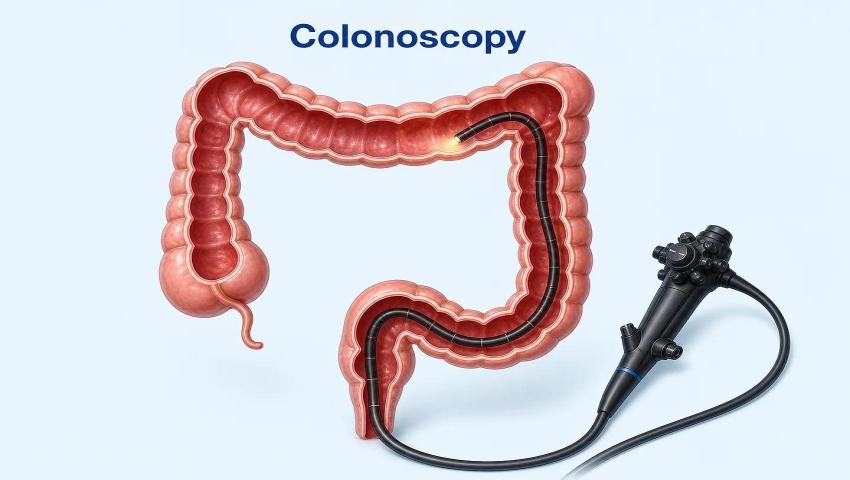
A colonoscopy is a medical procedure used to examine the inner lining of the rectum and colon, also known as the large intestine. During the procedure, a doctor uses a thin, flexible instrument with a camera to examine the bowel.
A colonoscopy can help identify abnormalities such as inflammation, ulcers, polyps, bleeding sources and certain bowel diseases. If necessary, tissue samples can also be collected for further examination.
Why Might a Doctor Recommend a Colonoscopy?
A colonoscopy may be recommended for several reasons.
These can include:
- Persistent changes in bowel habits
- Blood in the stool
- Unexplained rectal bleeding
- Persistent abdominal pain
- Unexplained weight loss
- Chronic diarrhoea
- Persistent constipation
- Unexplained iron-deficiency anaemia
- Follow-up of previously detected polyps
- Evaluation of certain bowel diseases
It may also be used for colorectal cancer screening in people who meet the recommended age or risk criteria.
Does Everyone Need a Colonoscopy?
No. The need for colonoscopy depends on your age, symptoms, family history, previous test results and individual risk factors.
For some people, doctors may recommend other tests before deciding whether colonoscopy is necessary. If you have persistent digestive or bowel-related symptoms, a consultation can help determine which investigation is appropriate.
How Should You Prepare for a Colonoscopy?
Good bowel preparation is one of the most important parts of the procedure. The colon needs to be sufficiently clean so that the doctor can clearly see its lining.
Your healthcare team will provide specific instructions. Preparation may involve:
- Following a temporary dietary plan
- Avoiding certain foods before the procedure
- Drinking prescribed bowel-cleansing solutions
- Increasing fluid intake as advised
- Adjusting certain medications when instructed
It is important to follow the preparation instructions carefully. Incomplete bowel preparation can make it difficult to examine the colon properly and may sometimes require the procedure to be repeated.
What Happens During a Colonoscopy?
Before the procedure, the healthcare team will review your medical history and medications. Depending on the clinical setting and individual circumstances, sedation or anaesthesia may be used to improve comfort.
The colonoscope is gently introduced through the rectum and advanced through the large intestine. The doctor examines the bowel lining for abnormalities.
If a polyp or another suspicious area is identified, it may be removed or biopsied during the procedure, depending on the situation.
Is Colonoscopy Painful?
People often worry that colonoscopy will be extremely painful. The experience varies from person to person. Sedation is commonly used in many settings to improve comfort.
Some patients may experience temporary bloating, gas or mild abdominal discomfort after the procedure. Your medical team can explain what to expect based on the planned procedure and type of sedation.
What Are Polyps?
Polyps are growths that develop on the inner lining of the colon. Many polyps are harmless, but some types can develop into colorectal cancer over time.
One advantage of colonoscopy is that certain polyps can be detected and removed during the same procedure.
This makes colonoscopy useful not only for diagnosing bowel problems but also, in appropriate situations, for preventing colorectal cancer by identifying and removing precancerous lesions.
What Happens After a Colonoscopy?
After the procedure, you may be monitored for a short period, particularly if sedation has been used. You may experience mild bloating or gas temporarily.
If sedation was given, you may need someone to accompany you home and should follow the instructions provided by your healthcare team regarding driving and other activities. Your doctor will explain the findings and whether further treatment or follow-up is required.
Are There Risks?
Colonoscopy is generally considered a safe procedure, but complications can occur. Potential risks may include bleeding, particularly after certain procedures such as polyp removal, infection or injury to the bowel.
Serious complications are uncommon, but your doctor will discuss the potential risks and benefits before the procedure.
When Should You Speak to a Doctor?
You should seek medical advice if you experience persistent or unexplained:
- Blood in the stool
- Changes in bowel habits
- Abdominal pain
- Unexplained weight loss
- Persistent diarrhoea
- Persistent constipation
- Weakness or fatigue associated with possible anaemia
These symptoms do not necessarily mean that you have a serious disease. However, identifying the cause is important.
Why Early Evaluation Matters?
Digestive symptoms are common, but persistent symptoms deserve proper attention.
Many bowel conditions can be treated effectively when diagnosed early. In some situations, investigations such as colonoscopy can provide valuable information that cannot be obtained through symptoms alone.
Mulshi Speciality Hospital offers Gastroenterology among its speciality services, providing patients in Pirangut, Mulshi and nearby areas with access to evaluation and treatment for a range of digestive conditions.
Conclusion:
A colonoscopy may sound intimidating, but understanding the procedure can make the experience less stressful. It can help doctors investigate unexplained bowel symptoms, identify abnormalities, collect tissue samples and, in appropriate cases, remove polyps before they become a more serious problem.
If you have persistent bowel-related symptoms or have been advised to undergo a colonoscopy, speak with your doctor about why the procedure has been recommended and how you should prepare. With appropriate evaluation and timely medical care, many digestive and bowel conditions can be identified and managed effectively.
For patients seeking comprehensive digestive healthcare, Mulshi Speciality Hospital provides access to Gastroenterology and other multidisciplinary medical services under one roof.