
- 24/07/2026
- Mulshi Speciality Hospital
- 0 Comments
- Blogs
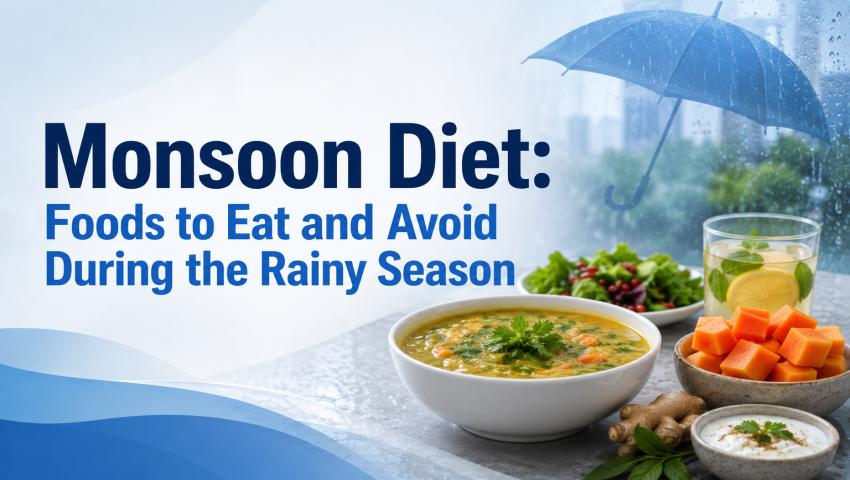
Monsoon Diet: Foods to Eat and Avoid During the Rainy Season
The monsoon season brings cooler weather and refreshing rain, but it also increases the risk of digestive infections, food poisoning, seasonal flu, and waterborne diseases. The high humidity during the rainy season creates an ideal environment for bacteria, viruses, and fungi to grow, making it even more important to pay attention to your diet.
Choosing the right foods can strengthen your immune system, improve digestion, and help protect you from common monsoon illnesses. Here’s a complete guide on what to eat and what to avoid during the rainy season.
Why Does Your Diet Matter During Monsoon?
During the monsoon, the body’s digestive system tends to become more sensitive. Contaminated food and water, along with fluctuating temperatures, can increase the risk of:
- Food poisoning
- Stomach infections
- Typhoid
- Diarrhoea
- Viral fever
- Seasonal flu
A balanced, hygienic, and nutrient-rich diet plays a vital role in keeping you healthy throughout the rainy season.
Foods to Eat During the Rainy Season:
1. Freshly Cooked Home-Cooked Meals:
Fresh food is always the safest option during the monsoon. Home-cooked meals reduce the risk of contamination and provide balanced nutrition.
Choose foods like:
- Dal and rice
- Chapati with vegetables
- Khichdi
- Vegetable soups
- Steamed dishes
2. Seasonal Fruits:
Fruits provide essential vitamins and antioxidants that help strengthen immunity.
Best fruits for monsoon include:
- Apples
- Pears
- Pomegranates
- Bananas
- Papaya
Always wash fruits thoroughly before eating.
3. Protein-Rich Foods:
Protein helps repair body tissues and supports the immune system.
Include:
- Eggs
- Chicken
- Fish (well-cooked)
- Paneer
- Lentils
- Sprouts (properly cooked)
4. Vitamin C-Rich Foods:
Vitamin C helps boost immunity and fight infections.
Eat more:
- Oranges
- Lemons
- Amla (Indian Gooseberry)
- Guava
- Bell peppers
5. Warm Soups and Herbal Drinks:
Warm fluids help improve digestion and provide comfort during damp weather.
Healthy options include:
- Vegetable soup
- Tomato soup
- Ginger tea
- Tulsi tea
- Turmeric milk
6. Probiotic Foods:
Good gut health improves immunity and digestion.
Healthy probiotics include:
- Fresh curd (if tolerated)
- Buttermilk
- Homemade yogurt
Consume fresh dairy products and avoid those left unrefrigerated for long periods.
7. Immunity-Boosting Spices:
Indian spices have natural antibacterial and anti-inflammatory properties.
Add moderate amounts of:
- Turmeric
- Ginger
- Garlic
- Black pepper
- Cumin
These spices not only enhance flavour but also support overall health.
Foods to Avoid During the Monsoon:
1. Street Food:
Roadside food is more likely to be exposed to contaminated water, dust, and unhygienic conditions.
Avoid:
- Chaat
- Pani Puri
- Cut fruits
- Open juices
- Uncovered snacks
2. Raw Leafy Vegetables:
Leafy vegetables may carry mud, insects, and bacteria during the rainy season.
If consuming spinach or similar vegetables:
- Wash them thoroughly.
- Cook them properly before eating.
3. Oily and Fried Foods:
Heavy fried foods are difficult to digest and may cause acidity and indigestion.
Limit:
- Pakoras
- Samosas
- French fries
- Chips
- Deep-fried snacks
4. Seafood from Unreliable Sources:
Seafood can spoil quickly during humid weather and may increase the risk of foodborne illnesses.
Choose only fresh, hygienically prepared, and well-cooked seafood.
5. Sugary Drinks and Soft Drinks:
Excess sugar weakens immunity and provides little nutritional value.
Instead, drink:
- Clean water
- Coconut water
- Fresh homemade juices
- Lemon water
6. Leftover Food:
Stored food can become contaminated if not refrigerated properly.
Whenever possible:
- Eat freshly prepared meals.
- Avoid keeping cooked food at room temperature for long hours.
Stay Hydrated During Monsoon:
Many people drink less water during the rainy season because they don’t feel thirsty. However, staying hydrated is essential.
Drink:
- 2–3 litres of clean water daily
- Boiled or filtered water
- Fresh soups
- Herbal beverages
Avoid contaminated water and always carry a clean water bottle while travelling.
Healthy Eating Tips for the Rainy Season:
- Wash fruits and vegetables thoroughly.
- Eat freshly cooked meals.
- Avoid eating outside frequently.
- Maintain proper kitchen hygiene.
- Wash your hands before every meal.
- Store food correctly.
- Include immunity-boosting foods in your daily diet.
Who Should Be Extra Careful?
A healthy monsoon diet is especially important for:
- Children
- Elderly adults
- Pregnant women
- People with diabetes
- Individuals with heart disease
- Patients with kidney disease
- People with low immunity
These groups are more susceptible to infections and should avoid self-medication if they develop symptoms.
When Should You Consult a Doctor?
Seek medical attention if you experience:
- Persistent fever
- Severe vomiting or diarrhoea
- Stomach pain lasting more than a day
- Signs of dehydration
- Food poisoning symptoms
- Weakness or dizziness
Early diagnosis and treatment can prevent serious complications.
Eat Smart, Stay Healthy This Monsoon:
Your diet plays a major role in protecting you from seasonal illnesses during the rainy season. Eating fresh, nutritious, and hygienically prepared food while avoiding contaminated and unhealthy foods can help keep your immune system strong and your digestive system healthy.
Enjoy the monsoon while making healthy food choices for yourself and your family.
Need expert medical care this monsoon?
If you experience stomach infections, food poisoning, fever, dehydration, or any seasonal health concerns, consult the experienced doctors at Mulshi Speciality Hospital, Pirangut. Our dedicated healthcare team is committed to providing timely diagnosis, expert treatment, and compassionate care for patients of all ages.